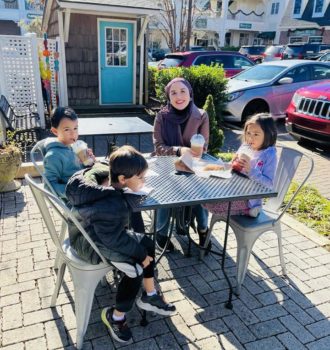

This week, we had planned to go to the zoo, but we had to cancel because of the weather. Instead, I thought visiting the children’s museum would be a fun alternative. My children, ages 7, 8, and 11, became very excited and started naming all the activities they wanted to do there. Later that day, my 11-year-old asked me if he was too old to go to the children’s museum. “No, you definitely aren’t too old. Even teens and adults enjoy going there. I know I do,” I told him. We looked it up together and saw that they had a science and sports area. I reminded him to keep enjoying the things he loves, no matter his age.
His question stuck with me. I realized he probably doesn’t have many years left before his interests start to shift. I also thought about how most playgrounds list recommended ages up to 12 and how much he still loves going. It made me wonder if many tweens stop playing and enjoying certain activities because of peer pressure or the media. I reflected on myself at 11 and how I was eager to grow up and be “cool.” I got into things sooner than I should have. I reminded myself that it’s important to encourage him as he spreads his wings while also recognizing how he’s growing up and protecting the parts of childhood he still enjoys.
I recently listened to a podcast about the middle school years and how they’re often underestimated. The host compared that stage to being the “middle child.” Many people view the tween years with dread, and the podcaster said that’s often because parents don’t know how to transition from the younger years to the older ones. He described the middle school years as potentially magical, a time when kids are discovering who they are. We can support them by encouraging their interests, helping them nurture friendships, and giving them more independence.
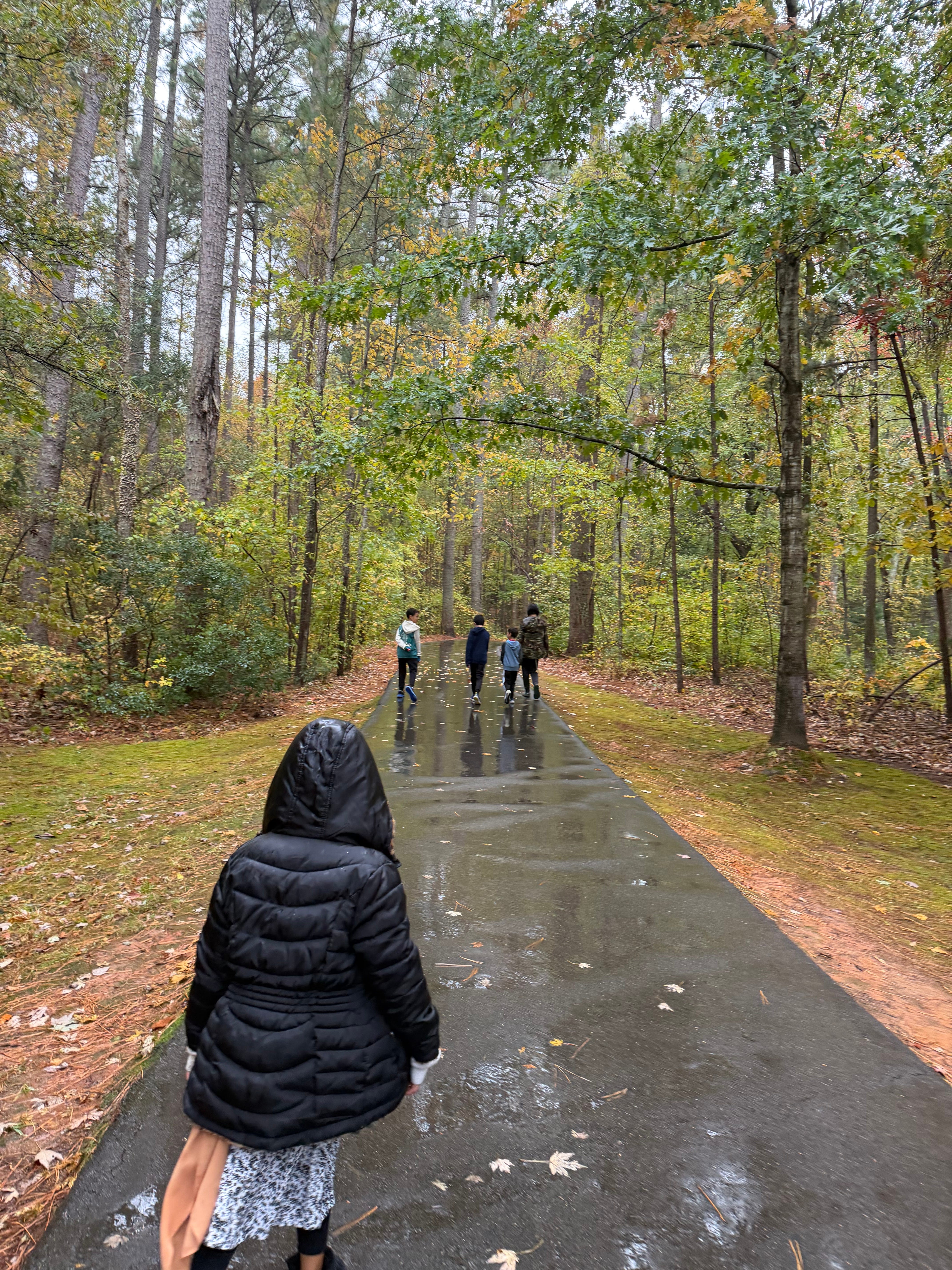
I’ve heard many warnings from parents about how difficult these years will be. But I was told the same thing about the “terrible twos,” and they weren’t as bad as everyone said. Some people make it seem like every stage of parenting is miserable. Many don’t question the narratives society gives us and instead accept them as truth. Also, we must realize how much the media shapes our behavior. Kids also consume content where growing up too fast is normalized. These shows often feature middle or high schoolers in serious relationships or drinking, usually played by actors in their late twenties or thirties. It creates unrealistic expectations and makes childhood seem like something to rush through.
I’m determined to make the best of the tween and teen years. I do grieve the younger years, but parenting is so much more than raising babies. I don’t know much about parenting tweens yet, but I remember what it was like to be that age. I know it won’t be perfect, but I’ll do my best because what I do now will shape who they become and whether they’ll want to maintain a strong relationship with me as they become teens and then adults.